
Understanding the Financial Implications
Casino gambling can often be viewed as a thrilling form of entertainment, yet many individuals fail to grasp the comprehensive financial implications that accompany their visits to these vibrant establishments. Many gamblers walk through the doors with a set budget in mind, only to be lured into spending more than they originally planned. The allure of jackpots and the lively environment can quickly cloud judgment, leading to unexpected expenses that accumulate over time. For those looking to explore different gaming options, playing pokies online can sometimes be an alternative, but the atmosphere, filled with bright lights and enticing sounds, can create an overwhelming urge to play longer than intended, resulting in a budget that spirals out of control.
Moreover, it’s crucial to consider the costs beyond just the money wagered. Many casinos implement a variety of entry fees, membership dues, or required spending minimums that can quickly accumulate. In addition, players might find themselves tempted to indulge in complimentary offerings, such as drinks or meals, which while seeming cost-free initially, can encourage them to gamble more than they intended. This can turn a night of casual fun into a significant financial burden, as patrons may unknowingly spend more on extras than on the games themselves. These hidden expenses can significantly influence a gambler’s overall financial footprint, creating a false sense of security around spending.
Additionally, many gamblers overlook the potential for losses that can extend past the gaming tables. For instance, if an individual frequently visits casinos, the costs associated with transportation, lodging, and meals can add up substantially. Even parking fees, whether for self-parking or valet services, are often brushed aside. It’s easy to forget these costs in the heat of the moment, but when they are accounted for, they can tremendously impact one’s budget. When considering the overall cost of gambling, it’s important to factor in every element that contributes to the total expenditure, including the often-ignored expenses that can escalate easily.
The Psychological Costs of Gambling
Beyond financial repercussions, the psychological costs of casino gambling can be profound and long-lasting. With the thrill of winning comes the potential for addiction, and for many, gambling can become a compulsive behavior that takes control of their lives. This addiction can lead to anxiety, depression, and strained relationships, creating a cycle that is difficult to break. Individuals may find themselves prioritizing gambling over personal responsibilities, leading to further emotional turmoil. As the need to gamble grows, so does the potential for these psychological issues to manifest, ultimately affecting one’s quality of life.
Moreover, the emotional highs associated with wins can become addictive in themselves. Players may chase these high-stakes moments, losing sight of the reality that for every win, there are numerous losses. This constant pursuit can lead to stress and disappointment, ultimately overshadowing the excitement that gambling once brought. Understanding this psychological toll is crucial in recognizing the hidden costs associated with this form of entertainment. The joy of winning can quickly turn into a source of anxiety as players increasingly risk more in hopes of recapturing that initial thrill.

It’s also pertinent to note that the social implications can adversely affect a person’s life. The time spent gambling might detract from social interactions and important family moments, leading to isolation. Friends and family may express concerns, but the allure of the casino can often drown out any dissent. As the gambler becomes more engrossed in their pursuit of winning, they may neglect relationships that once brought them joy. Ultimately, players must consider the emotional price they pay, which can perpetuate feelings of guilt and shame while reinforcing the cycle of gambling. This isolation can become a breeding ground for further psychological distress, creating a vicious cycle.
The Role of Advertising and Promotions
Casino promotions and advertising can be enticing, often highlighting potential winnings and exclusive benefits. However, these marketing strategies can play a significant role in masking the hidden costs of gambling. Advertisements frequently showcase glamorous lifestyles that are only achievable through gambling success, leading individuals to believe they, too, can achieve similar outcomes. This manipulation can result in unrealistic expectations and increased gambling behavior, pushing individuals to spend beyond their means in hopes of replicating the success they see in advertisements.
Promotions often lure players with the promise of complimentary spins, bonuses, or free credits. While these offers may seem beneficial, they can sometimes lead to larger losses. The conditions attached to these promotions are not always transparent, with wagering requirements that may be difficult to meet. This can create a false sense of security, leading many to gamble irresponsibly. Players may feel encouraged to bet larger amounts than they would typically consider, driven by the notion that they are playing with “free” money. Ultimately, this can lead to spiraling losses that far exceed their original expectations.
In addition to gaming promotions, loyalty programs can also mask significant costs. While they may offer rewards for frequent play, these programs can sometimes encourage excessive gambling as players strive to climb the ranks or achieve higher status levels. The desire for rewards can compel individuals to gamble more than they should, pushing them into a deeper financial and emotional hole. Recognizing the tactics employed by casinos is vital for a healthier gambling experience. Understanding that these promotions are designed to keep players engaged can help individuals remain more vigilant about their spending habits.
The Impact of Peer Influence
The social dynamics within a casino can significantly influence a gambler’s decisions. Friends or companions often accompany individuals to casinos, and peer pressure can exacerbate spending habits. When surrounded by others who are placing bets or participating in high-stakes games, individuals may feel compelled to follow suit, disregarding their financial limits. This social environment can lead to impulsive decisions that may result in regrettable financial consequences. The presence of friends can create an environment where individuals feel the need to prove themselves, further complicating their gambling choices.
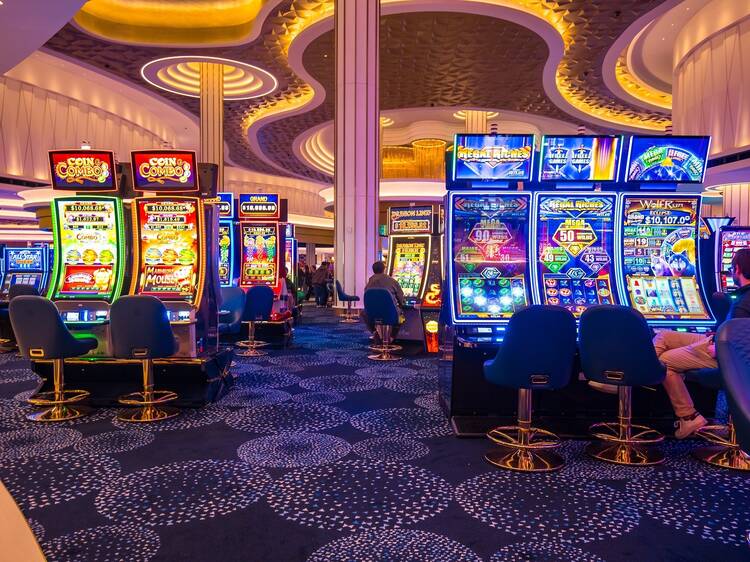
Moreover, the camaraderie associated with group gambling can create an illusion of safety and validation. Individuals may mistakenly think that their friends’ choices are an endorsement of their own gambling behavior, prompting them to ignore their better judgment. The excitement and energy of the casino atmosphere can amplify this social influence, making it increasingly challenging to evaluate personal spending and loss realistically. As the thrill of the group dynamic takes hold, personal financial boundaries may blur, leading to decisions that individuals later regret.
Furthermore, the fear of missing out (FOMO) can drive individuals to spend beyond their means. In a group setting, the chance to partake in unique experiences can overshadow the potential costs involved. Players may rationalize their expenses by attributing them to shared moments or celebratory occasions. This tendency can lead to a cycle of overspending, as individuals continuously seek to recreate the excitement of their previous experiences. Understanding the dynamics of peer influence is essential in recognizing how social factors can lead to hidden costs that impact both financial and emotional well-being.
Empowering Yourself with Knowledge and Awareness
To navigate the often-treacherous waters of casino gambling, it is essential for individuals to arm themselves with knowledge and awareness of the potential hidden costs. By recognizing how gambling can affect both finances and mental health, players can make more informed decisions. Education on responsible gaming practices, budgeting techniques, and recognizing the signs of gambling addiction can significantly enhance one’s ability to enjoy gambling as a form of entertainment without falling victim to its potential pitfalls. Knowledge becomes a powerful tool in helping players maintain control over their gambling habits.
Additionally, utilizing resources such as self-exclusion programs and financial management tools can aid individuals in managing their gambling behavior proactively. Many casinos offer resources that promote responsible gambling, including player tracking systems that can provide insights into spending habits. Taking advantage of these resources can foster a healthier relationship with gambling and mitigate hidden costs that often go unaddressed. By setting personal limits and utilizing available tools, individuals can better navigate the complexities of casino gambling.
Ultimately, empowerment comes from understanding the risks associated with casino gambling and implementing strategies to counteract them. By prioritizing responsible gaming, individuals can enjoy the thrill without succumbing to potential losses that extend beyond financial boundaries. Being proactive about one’s gambling behavior can lead to a greatly enhanced gaming experience, free from the burden of hidden costs. Increased awareness can transform the gambling experience into one that prioritizes enjoyment and responsibility, creating a safer environment for all players.